
IPACS

Boeing 787 Dreamliner

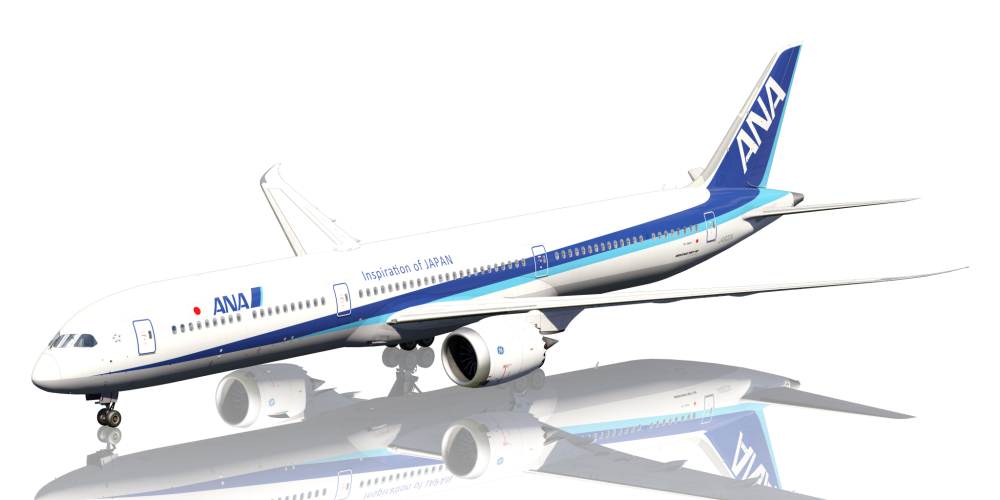
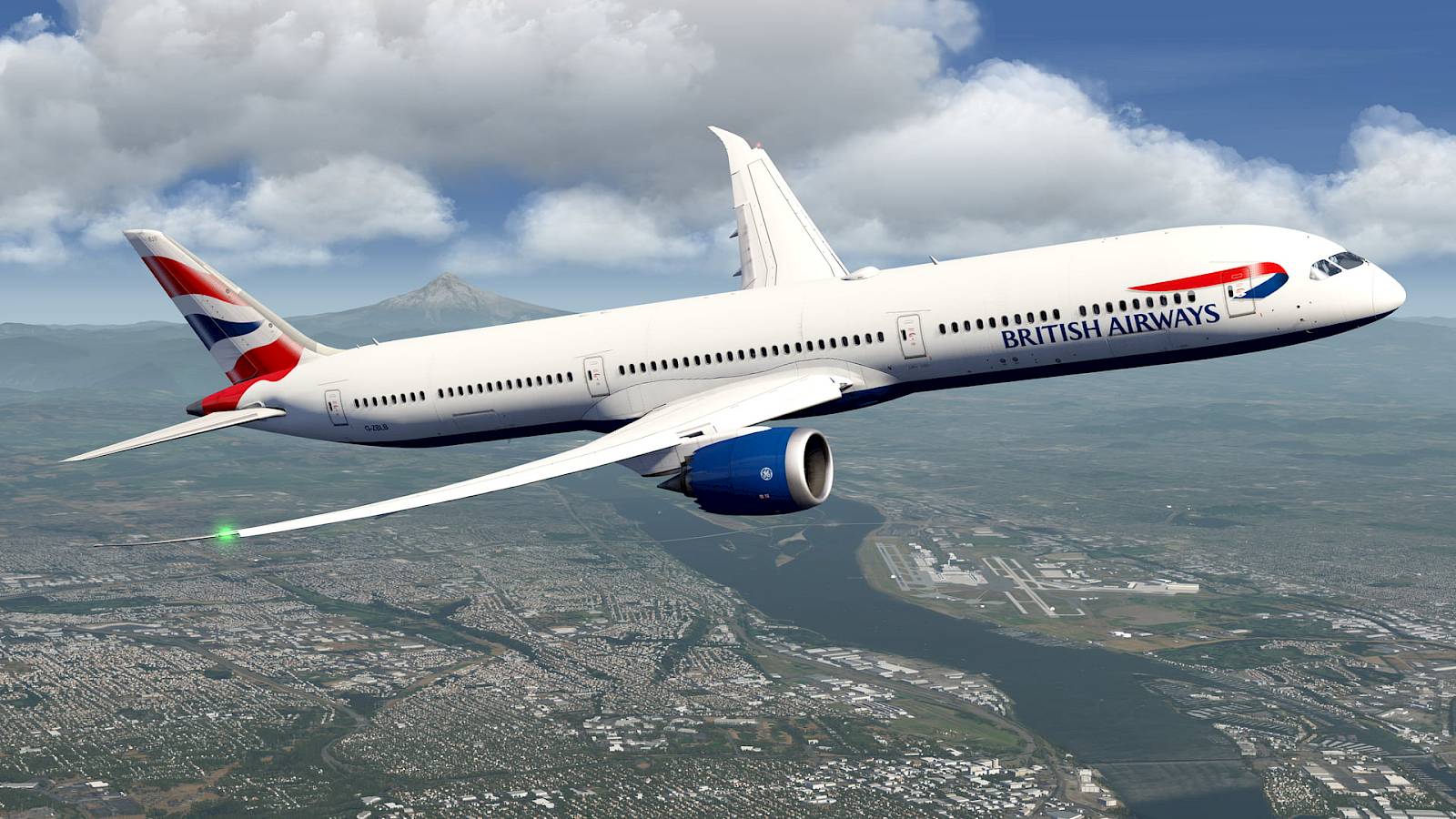
Boeing 787-9

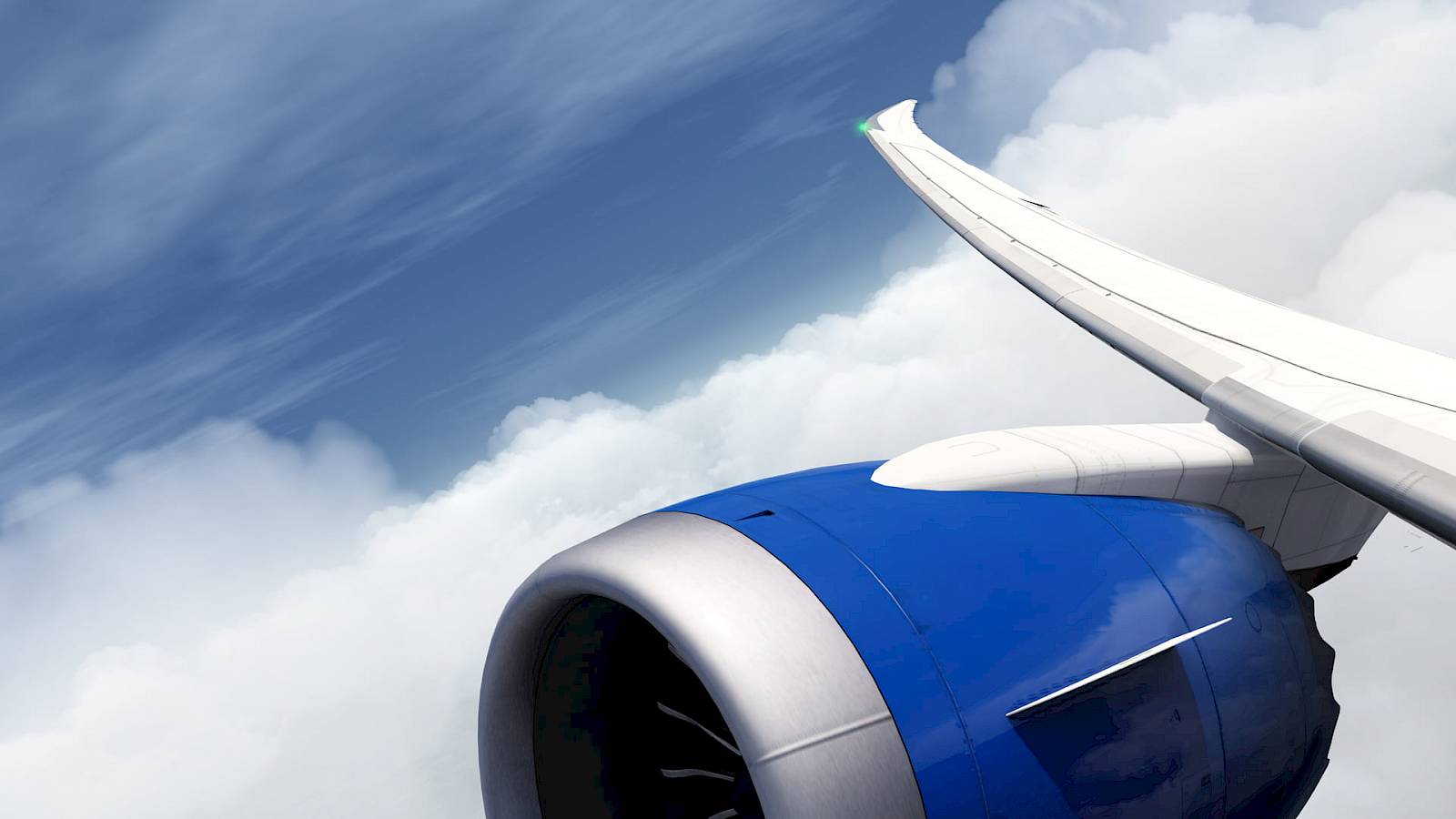
The Boeing 787 Dreamliner is a state-of-the-art wide-body aircraft made from carbon fiber composite materials. The 787-9 is the mid-size version of the 787 family with a maximum takeoff mass of 254 tons, a capacity of up to 406 passengers, and a range of 7,565 NM (14,010 km). It is powered by two GEnx-1B70 engines with 349.2 kN of thrust or two Trent 1000-D3 engines with 331.4 kN of thrust each.

Screenshots Boeing 787-9

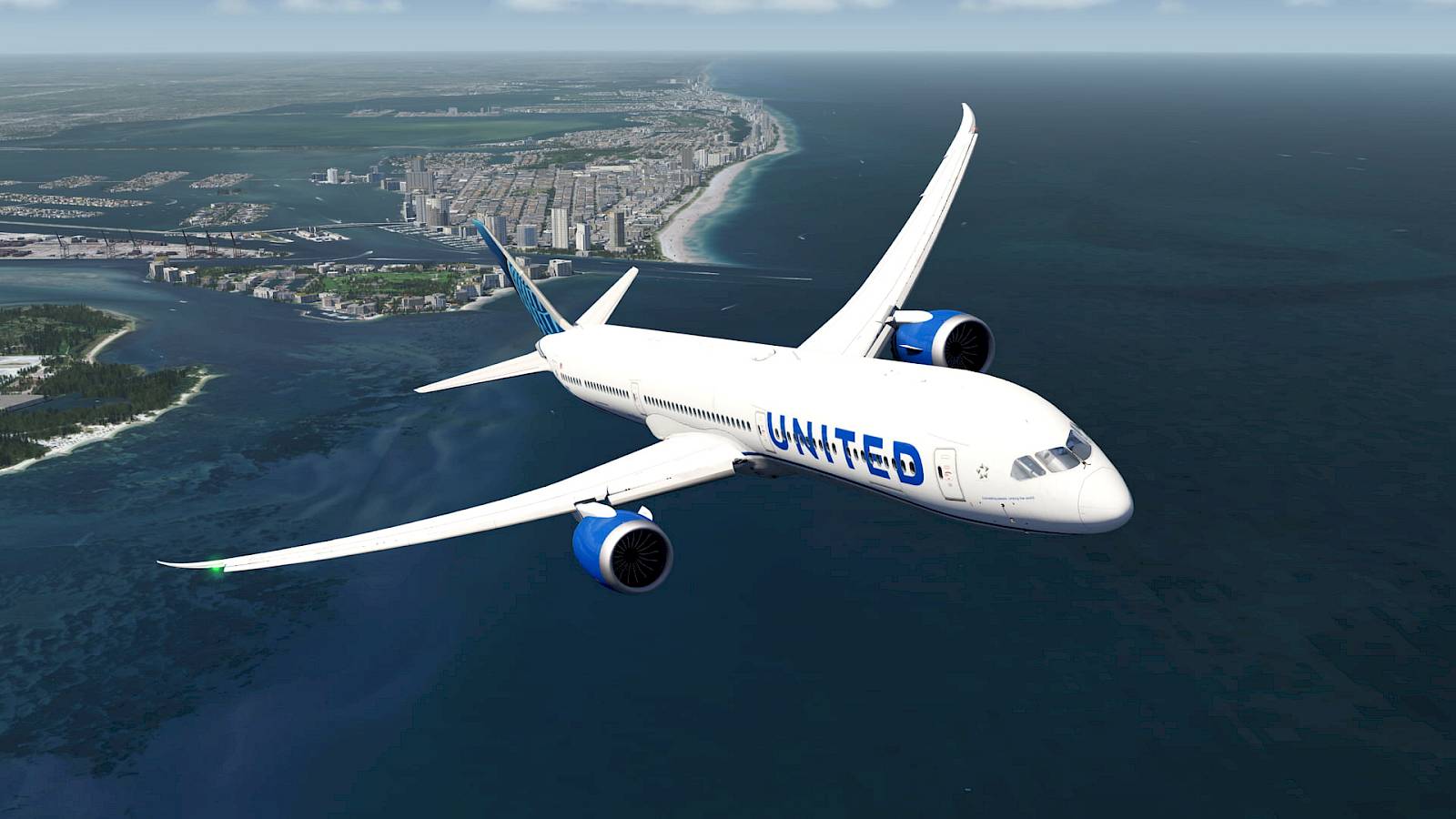
Boeing 787-10

The Boeing 787, also known as the Dreamliner, is a modern wide-body aircraft that has been in use by various airlines since 2011. During the development, particular emphasis was placed on better performance data. In addition to improved aerodynamics, new, quieter and more efficient engines were developed for the Dreamliner. To reduce weight, many components were made of composite materials. With a non-stop flight of 19,835 km and a circumnavigation of the earth within 42h 27m, the Dreamliner has set or improved two records in the 200-250 ton weight class.

Screenshots 787-10

Key Features

Physics Simulation

These things are fully simulated in Aerofly FS:

  • Full multibody aircraft that bends under load
  • Natural gear compression and damping
  • Center of gravity shift from gear retraction
  • Thermodynamic engine simulation and simulated full authority digital engine controller (FADEC)
  • Cold and dark startup

Aerodynamics & Flight-Controls

Aerofly FS features a realistic aerodynamics simulation and this aircraft is no exception:

  • Native wing flex simulation
  • Independent simulation of slats, flaps and speedbrakes
  • Lockout of the outer ailerons at high speed
  • Auto spoilers and auto brakes
  • Fly by wire (FBW) with trim speed stability and flight envelope protections

Aircraft Systems

Custom coded aircraft systems and behaviors specific to this aircraft and based on real world flight manuals:

  • Fully interactive cockpit
  • Full electric network with main and aux batteries, buses, generators, dynamic electric switches and loads of individual electrical loads
  • Two generators per engine for increased redundancy
  • Electric bus power control unit (BPCU) automatically handles power distribution
  • No-bleed, all electric dual engine starts
  • Fuel and hydraulic pumps

Autopilot and FMS

  • Authentic autopilot behaviors
  • All real world flight director (FD) modes
  • Autoland
  • Flight management system (FMS) with LNAV/VNAV
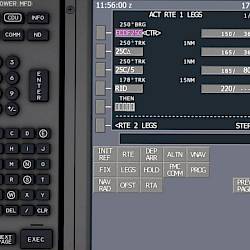
  • Interactive multi function displays (MFDs) CDU page with working preflight, route creation, performance, fix pages, etc.

Instrumentation

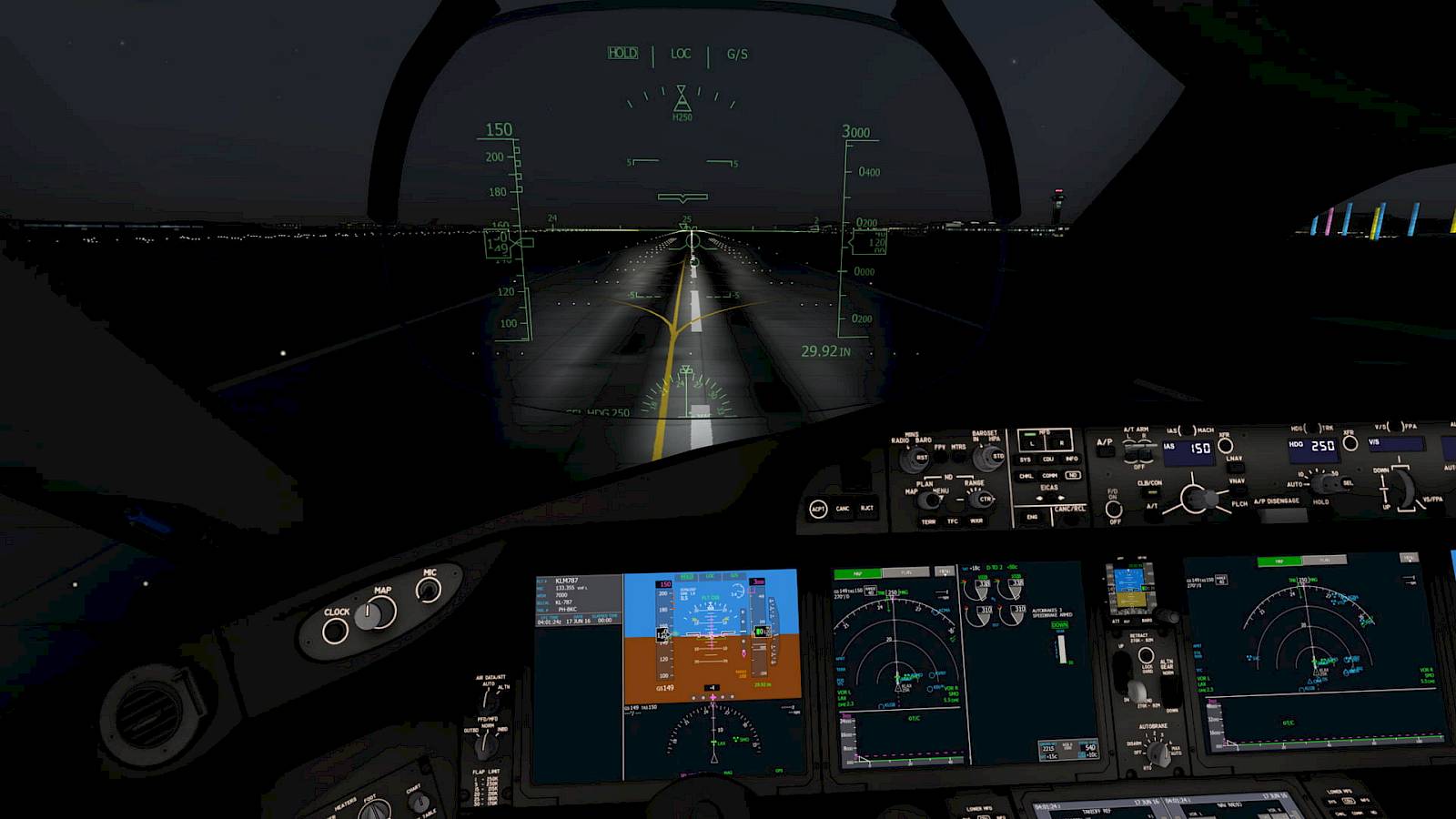
  • Working HUD
  • Realistic PFD, ND with VSD
  • Realistic EICAS and MFD system pages
  • Working crew alerting system (CAS), master caution and warning system
  • Interactive MFD electronic checklists
  • Interactive tuning control panels
  • Adjustable display, annunciator and panel brightness
  • Electronic flight bag (EFB) with takeoff and landing performance

3D Model & Sound

  • High quality mesh
  • High resolution textures
  • Dynamic lighting
  • Realistic exterior lights
  • Custom 3D directional sounds
  • Authentic radar altitude and GPWS callouts
  • Realistic stick shaker, overspeed, bank-angle, caution, warning, and other sounds

Tutorials

Get Aerofly FS Now!